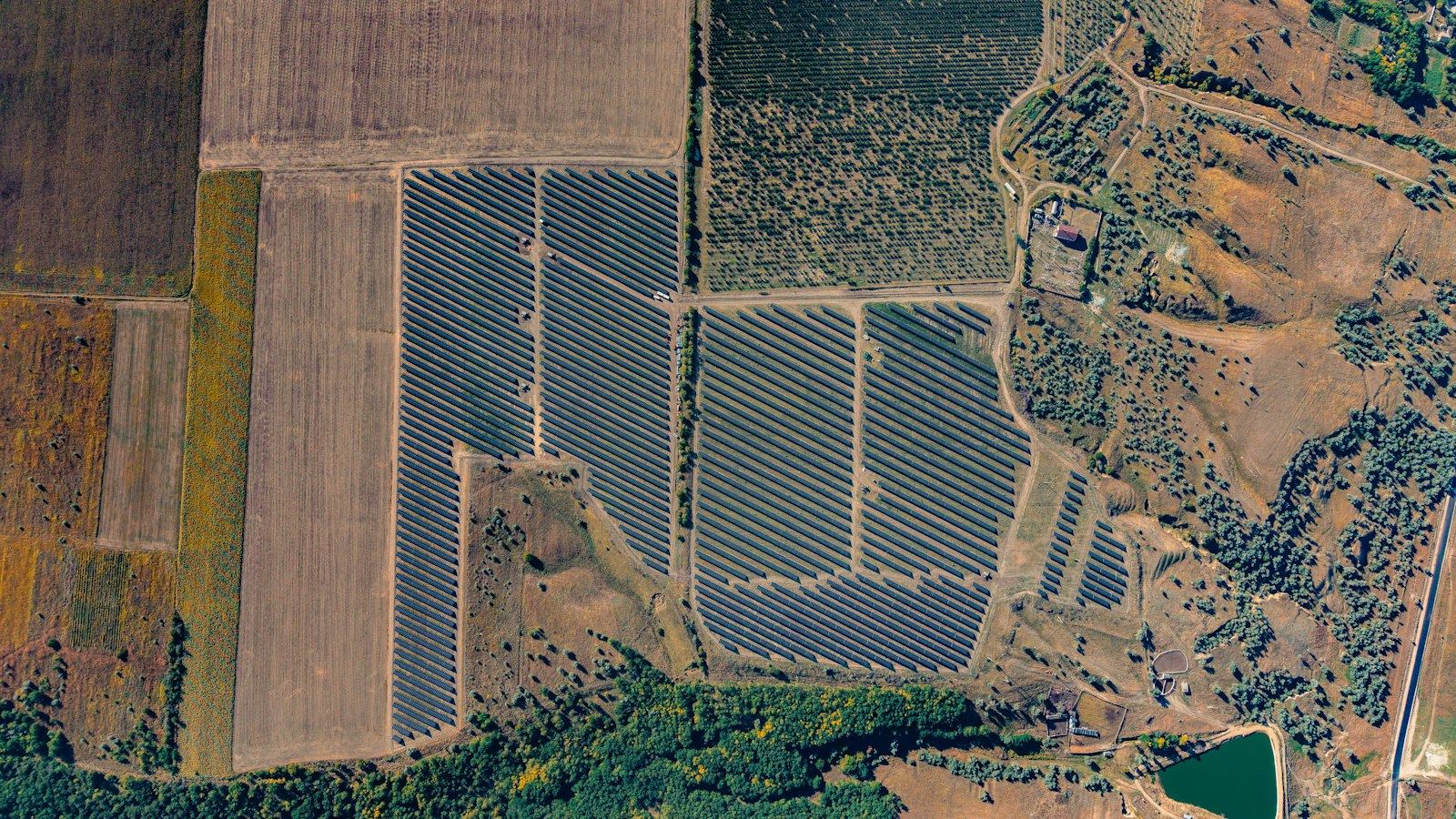
September is the month when the agribusiness calendar shifts gears. With the end of the sanitary void period, the official sowing window for the 2026/27 soybean crop opens — in Mato Grosso, planting is already cleared starting on the 7th, and the National Planting Opening takes place on the 17th, in Ipiranga do Norte. Expectations point to nearly 50 million hectares planted nationwide this season.
In the Matopiba, the pace is different. The regular rains that provide security for sowing tend to only settle in during October, and in some areas not until November — which requires producers to be more cautious about when to enter the field. This difference in pace between the traditional Center-West and the agricultural frontier is also a lesson in timing for whoever is on the other side of the table: those thinking about buying land.
The crop calendar isn't the buying calendar
Anyone deciding to buy a farm with the intent of operating it during the current season faces a simple problem: documentary due diligence, soil analysis and water-availability checks, and price negotiation don't fit into the few weeks between the planting window opening and the sowing deadline. That math needs to already be done by the time the rain arrives — or it isn't, and the area sits idle for an entire cycle.
This pushes the buying decision earlier on the calendar: anyone wanting to be operating in the 2027/28 season should already be evaluating properties now, with documentation and due diligence resolved well before the next planting window opens.
What this means for land prices
While the buying decision matures, the value per hectare in Tocantins keeps following its own trajectory. The average land price in the state tripled between 2014 and 2024 — against an average increase of 130% in Brazil over the same period — driven by the expansion of mechanized cropland, the North-South railway and the BR-153 highway. Today the average sits around R$15,000 per hectare, with significant variation by region: from more distant land at R$5,000 per hectare to areas near rail terminals negotiated between R$30,000 and R$55,000.
Whoever waits for the rain to arrive before starting to look for a farm is already buying a cycle later — and at a higher price per hectare than someone who started looking before the window opened.
How this changes the reading for today's buyers
- The decision window is bigger than the planting window. Soil analysis, water availability and documentation take weeks — and need to be ready before sowing season, not during it.
- Productive suitability matters more than a promise of appreciation. Corrected soil, mechanizable topography and already-consolidated shipping logistics reduce the time between purchase and first harvest.
- Regular documentation is what separates those who buy in time from those left waiting. A clean title, a validated CAR and up-to-date georeferencing prevent the negotiation from stalling right at the end of the window.
In our portfolio of farms, every listing shows the property's productive suitability and documentary status — the same logic we discuss in Why Tocantins became the center of the land conversation. Want to evaluate a farm in time for the next season? Talk to our team.