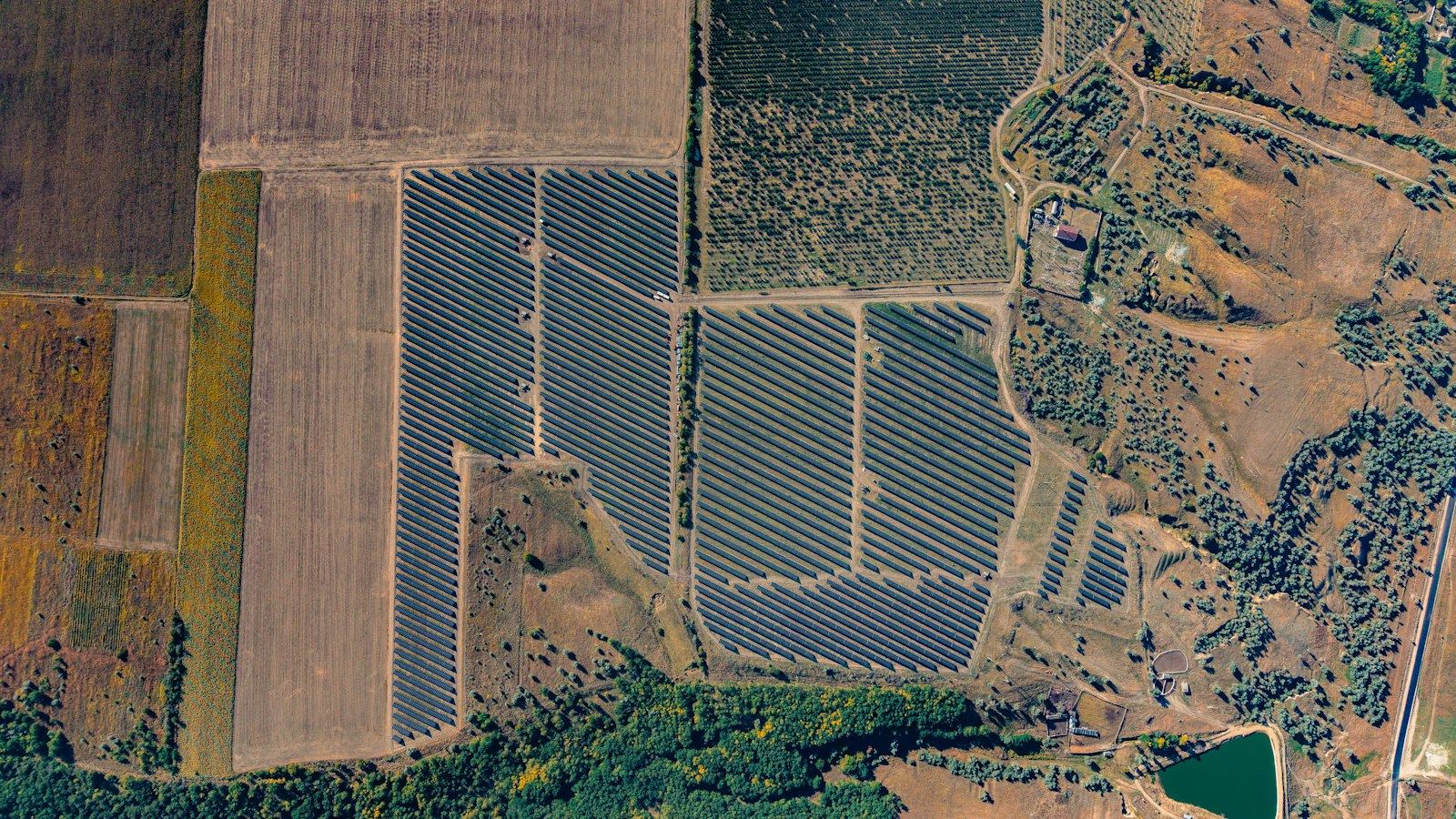
The Matopiba — where Maranhão, Tocantins, Piauí and Bahia meet — is recognized by Embrapa (Brazil's agricultural research agency) as the country's last major agricultural frontier still under consolidation. And within it, Tocantins holds a particular position: it's the state best connected to the Arco Norte shipping corridors.
What changed
For a long time, land in Tocantins was cheap because it was far from everything. That equation shifted for three simultaneous reasons:
- Logistics. The North-South railway and the connection to the Northern ports reduced the economic distance to the export market — which is what really matters in a producer's math.
- Technology. Cultivars adapted to the cerrado and soil-correction packages turned previously marginal areas into high-productivity land.
- Services. Dealers, storage, technical assistance and skilled labor stopped being a bottleneck in the main micro-regions.
What hasn't changed yet
The cost per hectare in the state remains significantly below what's charged in consolidated Center-South regions for comparable productive suitability. It's this gap — between entry cost and already-demonstrated productive capacity — that defines the current window.
The buyer profile has also changed
Five years ago, the typical buyer was a producer from the South looking to expand. Today we talk to three distinct profiles:
- The expanding producer, who buys land to scale an existing operation.
- The wealth-preservation investor, who buys land as a real asset and leases out the production.
- Funds and foreign capital, with a long-term thesis and high demand for environmental and documentary compliance — see the arguments behind this thesis in Why invest in agribusiness.
All three demand the same thing before closing: a regular property. And that's where a lot of good land ends up stuck.
The market's real bottleneck
There's no shortage of buyers for good land in Tocantins. Check the portfolio of available farms to see the documentary standard we require. What's missing is good land with documentation in order. An area with a problematic title, an unvalidated CAR, or pending georeferencing falls off the radar of the most qualified buyers — precisely the ones who pay the most.
For sellers, this is a direct opportunity: regularizing before listing usually pays for itself in the final price and the closing timeline.
Want to understand where your property stands on this map? Talk to our team.