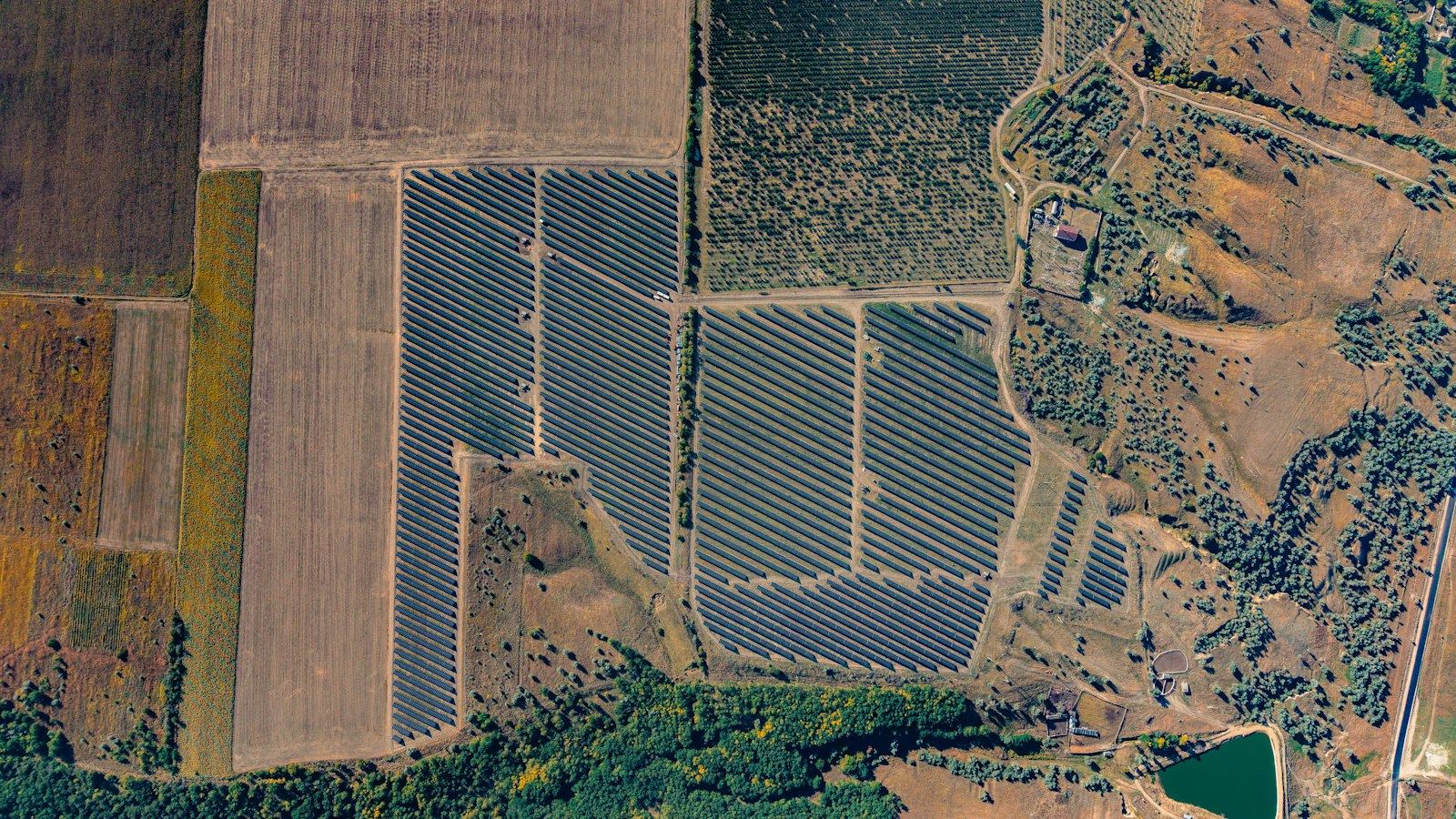
Matopiba is the name Brazilian agribusiness gave to the meeting point of four states — Maranhão, Tocantins, Piauí and Bahia — across a strip of cerrado covering roughly 73 million hectares. Recognized by Embrapa as the country's last major agricultural frontier, the region is now going through what researchers call the fastest growth in Brazilian agribusiness in recent decades.
A frontier that hasn't stopped growing
The numbers show the scale of the movement. The soybean-planted area in the Matopiba jumped from 2.1 million hectares in 2010 to more than 5.8 million hectares in 2025 — a 176% increase in 15 years. Today the region already accounts for about 12% of all soybeans produced in Brazil and 8% of corn, cementing its position as the country's fourth-largest grain producer.
What sustains this expansion
Three factors explain why capital and producers keep migrating there: flat topography favorable to large-scale mechanization, land costs still well below the Center-South, and soil-correction technology that has turned previously marginal cerrado into high-productivity land. Infrastructure has also advanced — the expansion of the North-South railway, linking Anápolis (GO) to Açailândia (MA) and passing through Tocantins, has shortened the economic distance between the farm and the port.
Where Tocantins fits into this picture
Within the Matopiba, Tocantins holds a particular position: it's the state best connected to the region's shipping corridors, with the North-South railway and the BR-153 highway crossing the territory end to end. That puts the state at the center of a frontier that Embrapa projects will keep advancing — including in the adoption of crop-livestock-forest integration systems, expected to cover up to 23% of the Matopiba's productive area by 2030.
Want to explore the opportunities within this frontier? See the portfolio of farms in Tocantins or talk to our team.