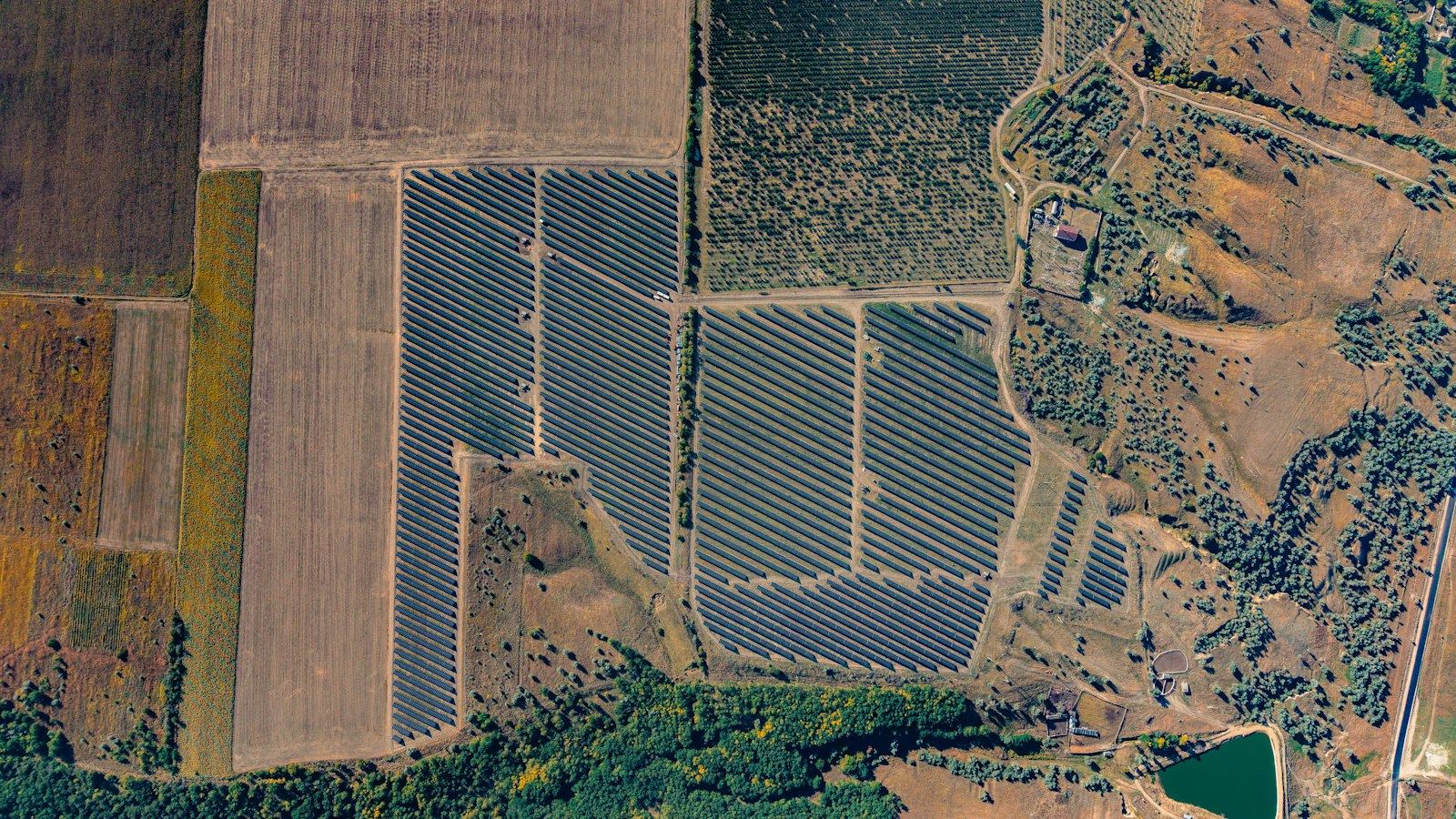
Climate is agriculture's biggest uncontrollable risk, and in recent years it has become more volatile — shorter planting windows, dry spells at critical times, rain concentrated in fewer days. For the producer, the answer is risk management: crop insurance, precision weather forecasting, and diversifying crops or activities within the same property.
Why this matters to a farm buyer, not just to the producer
A property with a history of rural insurance coverage, or with irrigation and storage infrastructure that reduces climate exposure, tends to be a more predictable asset — which makes both financing and a future resale easier. An experienced investor asks about this before asking about the price per hectare.
Tools already part of the routine for good managers
Climate Risk Agricultural Zoning (Zarc), satellite crop monitoring, and parametric insurance — which pays out based on an objective climate index, without a lengthy assessment — are increasingly accessible even for mid-sized properties.
What to ask before buying
Is there a regularized water permit? Is there a history of recurring climate-related losses in the region? Does the property have any water reserve or infrastructure that reduces total dependence on rainfall? These questions are worth more than the average yield of recent years.
Prime Fazendas treats risk management as part of the evaluation of any farm in our portfolio — because a good land investment is one that stays good even in a difficult harvest year.