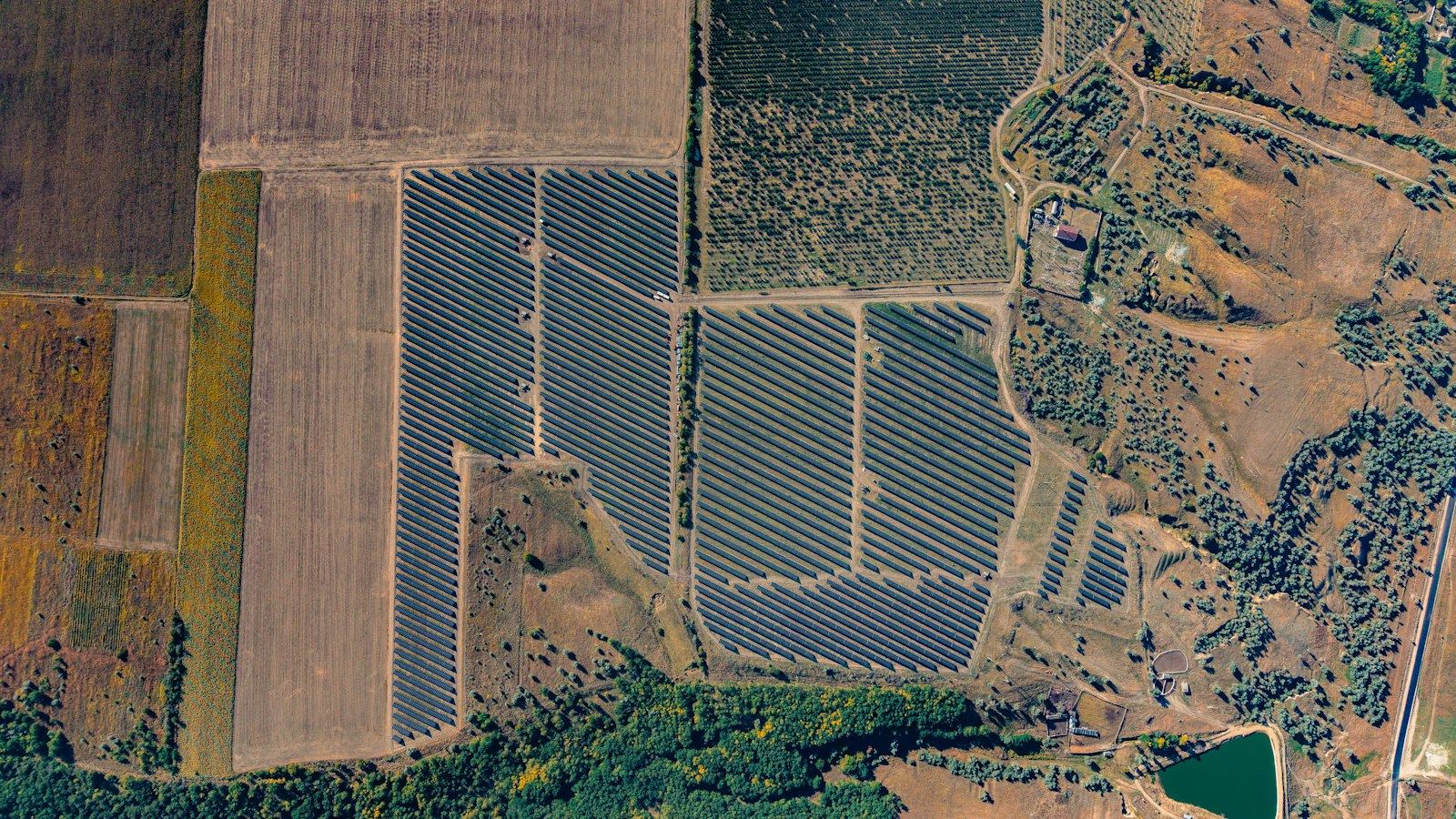
A farm's value doesn't depend only on this year's harvest or the property's infrastructure — it also reflects, indirectly, international demand for the commodities that land is capable of producing. When export markets absorb more Brazilian soybeans, corn or beef, the appeal of new productive areas tends to follow that movement.
Land as an asset tied to foreign trade
Expanding agricultural frontier regions like the Matopiba benefit directly from long-term export contracts signed by trading companies and meatpackers. Every new market opened for Brazilian agribusiness is, to some extent, a new potential buyer for what will come off the farm — which reinforces interest in suitable, well-located land.
Why Tocantins factors into this equation
With soil and climate favorable to soybeans, corn and cattle ranching, and proximity to logistics corridors that feed the Arco Norte ports, Tocantins holds a strategic position for producers thinking about exports. This combination of productive suitability and shipping logistics is one of the factors that investors from outside the state — and even outside the country — weigh before closing a deal, many arriving through the path described in Buying a farm in Brazil while living abroad.
What this changes when choosing a property
Before buying, it's worth understanding whether the farm is suited to the crops most in demand from export markets and whether the logistics to the port or shipping terminal are competitive. Two properties at the same price per hectare can have very different return potential depending on these answers.
Prime Fazendas guides this kind of evaluation for domestic and international investors who see Brazilian land as a gateway to the global agribusiness market. Explore the portfolio of export-suitable farms or talk to a specialist.