Selling well is not finding the right buyer by luck. It's reaching the market in a condition where the right buyer can close. Most of the value is lost before the first listing ever goes up.
Mistake 1: Listing before regularizing
This is the most costly and the most common. The seller puts the farm on the market with an outdated title, an unvalidated CAR, or pending georeferencing, thinking it will get sorted out during the negotiation.
What actually happens: the qualified buyer runs due diligence, finds the pending issue and disappears — or stays and uses the issue to negotiate the price down. Regularization that would cost X ends up as a discount of several times X.
Worse: a negotiation that drags on for 12 months waiting on a document usually dies. Buyers have deadlines, harvests and alternatives.
Mistake 2: Pricing by total hectares
Total area and usable area rarely coincide. Legal reserve, permanent preservation areas, rocky outcrops and excessive slope reduce what actually produces.
The buyer will calculate by usable hectare. If your price was built on total area, it will look expensive — even when it isn't. Price the way the buyer prices.
Mistake 3: Not having your own farm's numbers
Yield from recent harvests, soil correction history, recent soil analysis, cattle carrying capacity. Without these, the buyer prices for the worst plausible scenario — because that's what they can prove.
A farm with documented history sells for more than an identical farm without one. The difference is risk, and risk has a price.
Mistake 4: Poor photos and no aerial imagery
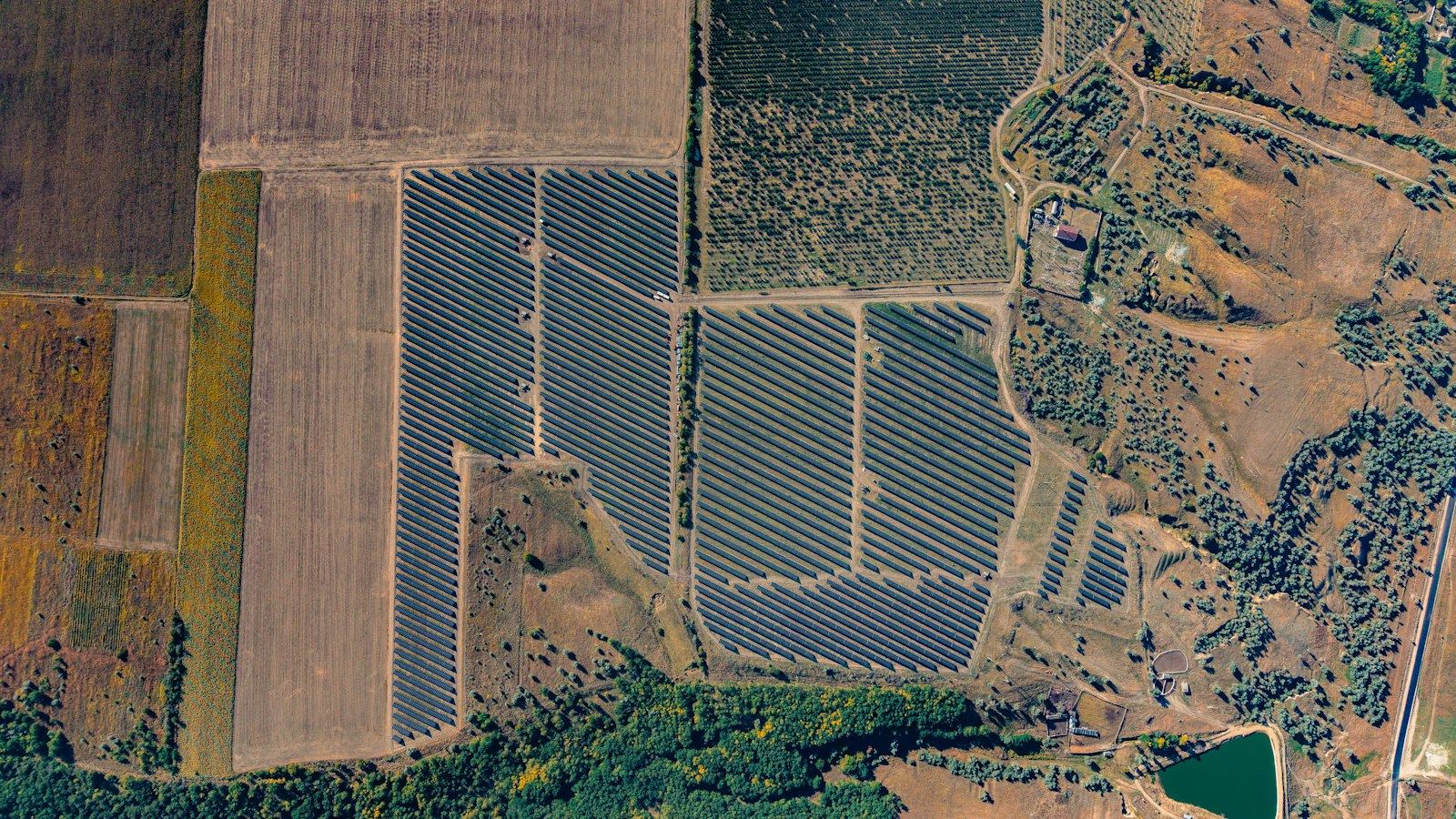
Land sells through a reading of the whole picture: terrain, plot divisions, access, water, improvements. A phone photo taken from the ground shows none of that.
Aerial imagery has stopped being a luxury. A simple drone flight costs little and changes how much a buyer can understand about the property before spending a day traveling to see it.
Mistake 5: Listing everywhere at once
It seems to widen reach. In practice, it signals difficulty selling. When the same farm shows up on ten listing sites, with ten descriptions and sometimes three different prices, the buyer concludes that no one is managing the process — and that there's room to negotiate hard.
Uncoordinated distribution takes away the seller's negotiating power.
What to do before listing
A sequence that works:
- Gather the documentation — updated title, CAR, CCIR, ITR, georeferencing and seller certificates.
- Resolve whatever is pending, or at least clearly map the cost and timeline to resolve it.
- Build a technical dossier — usable area, soil, water, infrastructure, production history.
- Produce decent visual material — aerial images and photos of the improvements.
- Set a price per usable hectare, referenced against what has actually been negotiated in the micro-region.
- Choose one channel and manage it, instead of scattering the listing everywhere.
A farm that reaches the market ready negotiates faster and for more. It's not broker rhetoric — it's what the buyer can prove to their bank.
How we handle it
Every property in our portfolio goes through documentary and environmental verification before being listed. The seller knows exactly where they stand and what's missing; the buyer receives the full dossier. That's what allows a deal to close without surprises after signing.
Talk to our team for an evaluation of your property.